
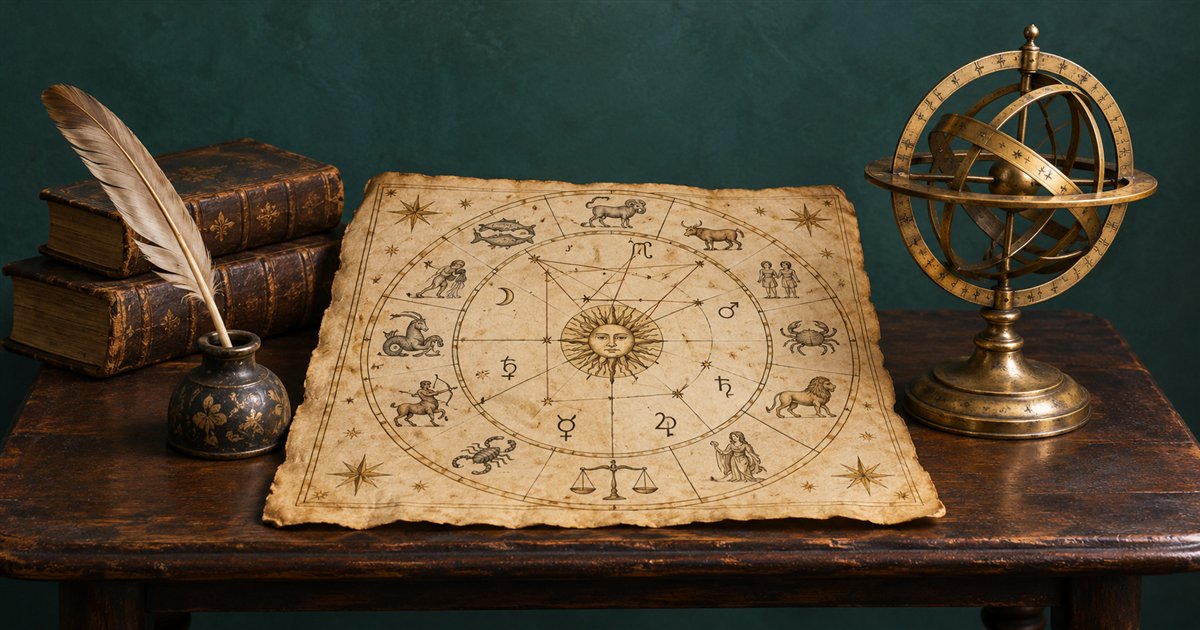
To understand why a ruler might ask an astrologer about timing, consider Elizabeth I and John Dee. Dee advised on the timing of her coronation. He was also a mathematician and scholar of navigation whose annotated books tell a richer story about what astrology meant at the Tudor court.
Why the coronation date mattered
The Science Museum Group’s account of Renaissance practitioners describes Dee’s role in choosing an astrologically favorable coronation date. For a court that gave ceremonial timing symbolic weight, the choice expressed hopes for the reign. The record tells us about the people making the choice and the traditions they drew on.
Read John Dee through his own books
The Royal College of Physicians’ exhibition on Dee’s library describes his interests in navigation, mathematics, astronomy and alchemy. Its collection includes volumes that Dee marked up himself. Those notes show a scholar at work in fields that overlapped in Renaissance intellectual life.
What angelic communication meant to Dee
Dee also pursued communication with angels. The Science Museum Group discusses the surviving diary record of these activities. For readers interested in mediumship or scrying, the diary offers a glimpse of how a practitioner understood his experiences. The distinction between a dated record and a later legend is especially helpful when both tell an appealing story.
Bring the historical example back to your own chart
You might choose a meaningful date for starting a personal project. Decide what you want that date to symbolize and what practical conditions need to be in place. For a contemporary approach to charts, read how Anne Reith describes natal and solar-return astrology.